ROMA
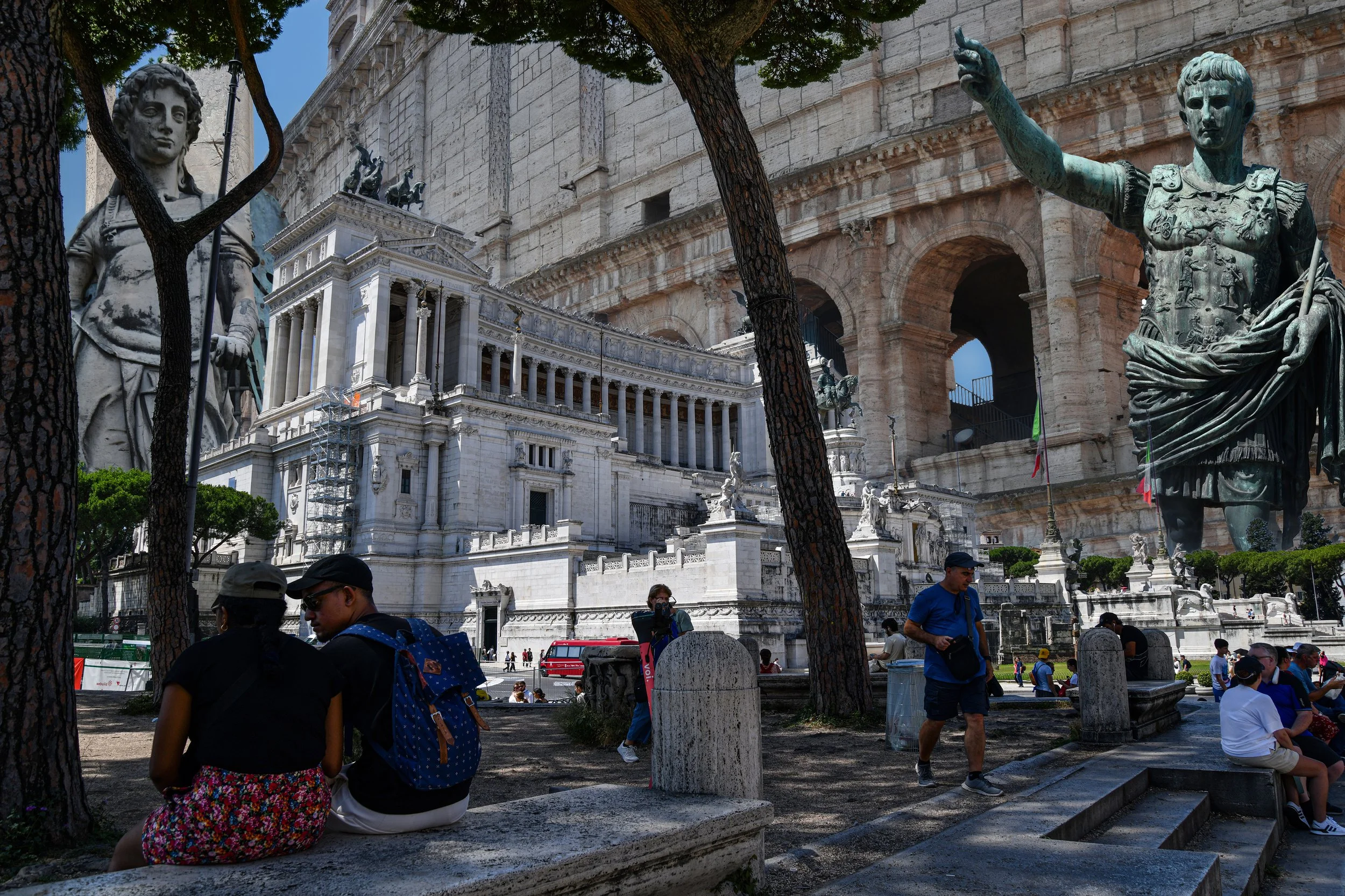
OPEN THE HIDDEN DOOR
Step beyond the ordinary and discover Rome through a print made to be experienced.
Some photographs record a place. Others reveal a moment that feels almost undiscovered. This image invites you through a hidden door—to a Rome of monumental architecture, ancient stone, sculptural figures, filtered light, and quiet human moments.
Created as a limited-edition fine-art print, this photograph transforms the experience of seeing Rome into something tangible—an artwork intended not simply to decorate a wall, but to continually draw you back into the scene.
A UNIQUE PIECE OF ROME
Printed at 24 × 36 inches on 310gsm Platine Fiber Rag Fine Art Paper, the image benefits from the substantial presence and fine-art character of a museum-quality paper.
Limited Edition • 24 × 36 in. • Platine Fiber Rag 310gsm, 100% Cotton, High DMAX, No OBAs, Acid-free
There will be only a limited number of prints in this edition, making each one part of a deliberately small collection rather than an ordinary photographic reproduction.
OPEN THE DOOR
Own the view. Keep the moment. Discover what lies beyond the ordinary.
OPEN THE HIDDEN DOOR
Discover unique prints made for those who see places differently.
Limited Edition Fine Art Photography
Platine Fiber Rag 310gsm, 100% Cotton, High DMAX, No OBAs, Acid-free
Rome is waiting on the other side.
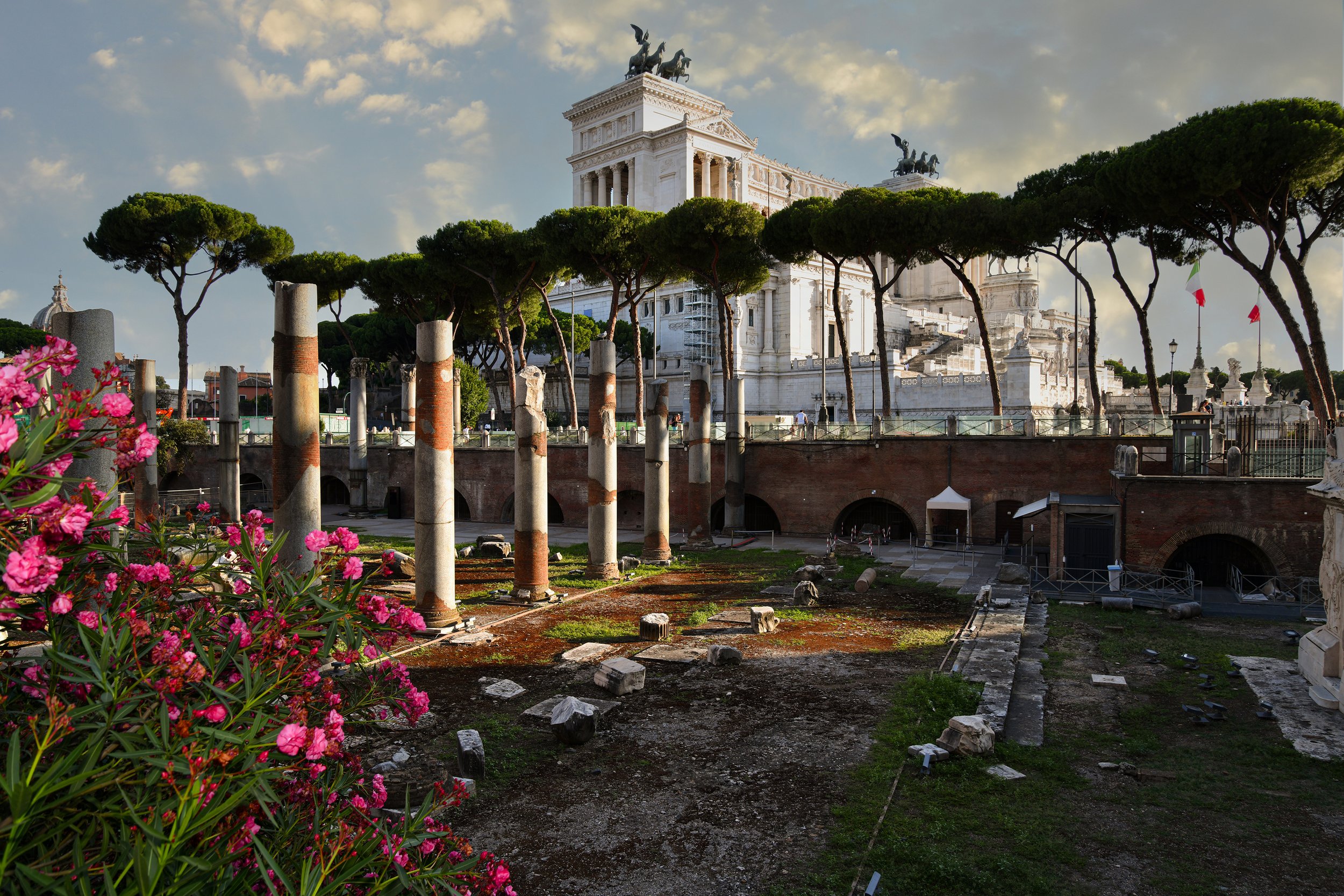
Foro Traino y Monumento a la Patria. Roma, Italia 2023.
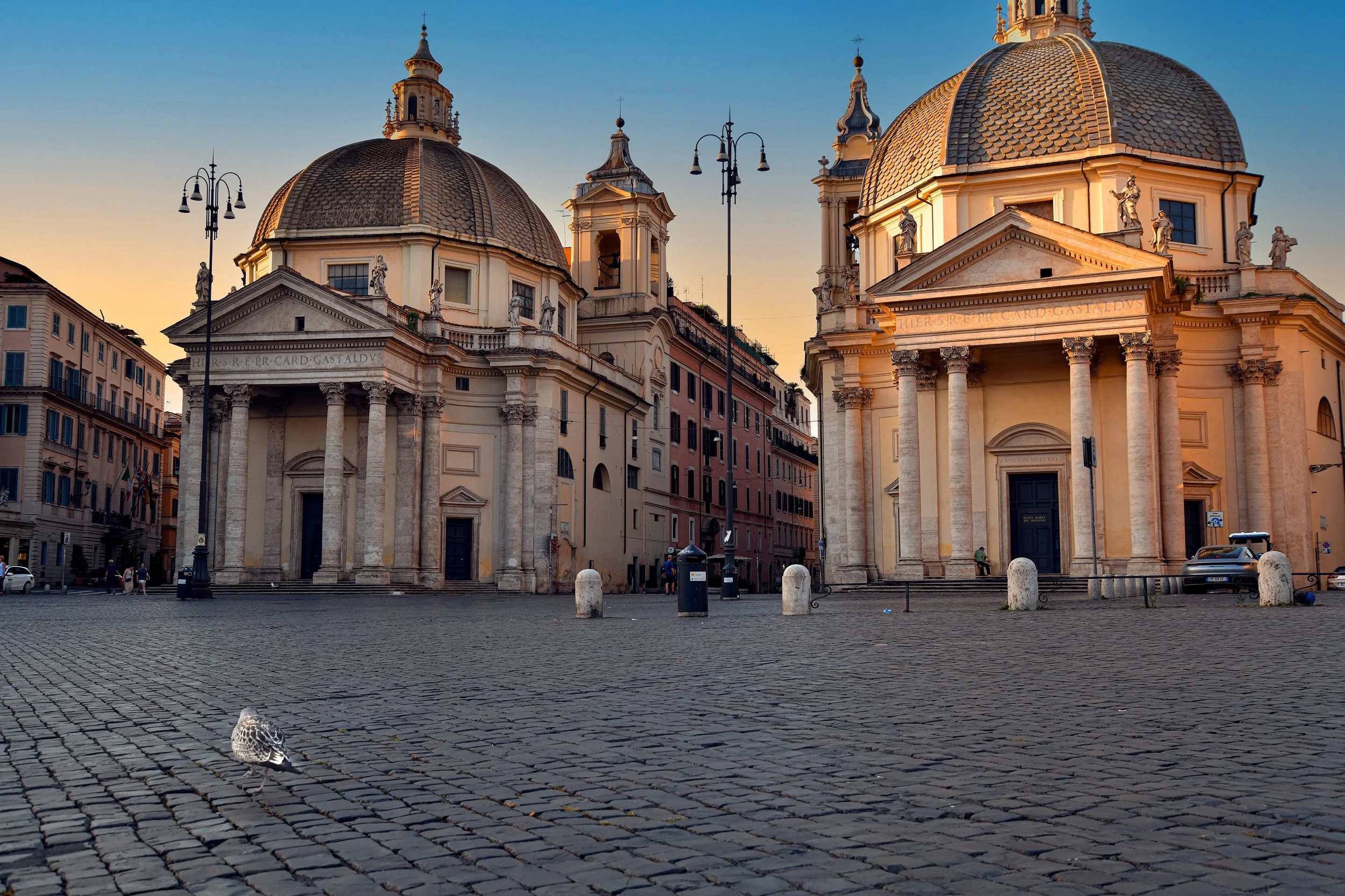
Plaza del Popolo. Roma, Italia 2023.
Type: Limited Edition
Medium: Photography > Color
Style: Figurative
Subject:
Year: 2023
Edition: of 10
Size: 24 X 36 paper size\image size 23 x 35 inches(58.4 x 88.9)
Borders .25
Price: 850 USD
Ready to hang: No
Frame: No
Signed: Yes, lower right hand corner, in certificate
Materials: MOAB ENTRADA BRIGHT 310gsm, 100% Cotton, High DMAX, No OBAs, Acid-free
Shipping: Ships from Chicago, Illinois USA
Type: Limited Edition
Medium: Photography > Color
Style: Figurative
Subject:
Year: 2023
Edition: of 10
Size: 24 X 36 paper size\image size 23 x 35 inches(58.4 x 88.9)
Borders .25
Price: 750 USD
Ready to hang: No
Frame: No
Signed: Yes, lower right hand corner, in certificate
Materials: MOAB ENTRADA BRIGHT 310gsm, 100% Cotton, High DMAX, No OBAs, Acid-free
Shipping: Ships from Chicago, Illinois USA
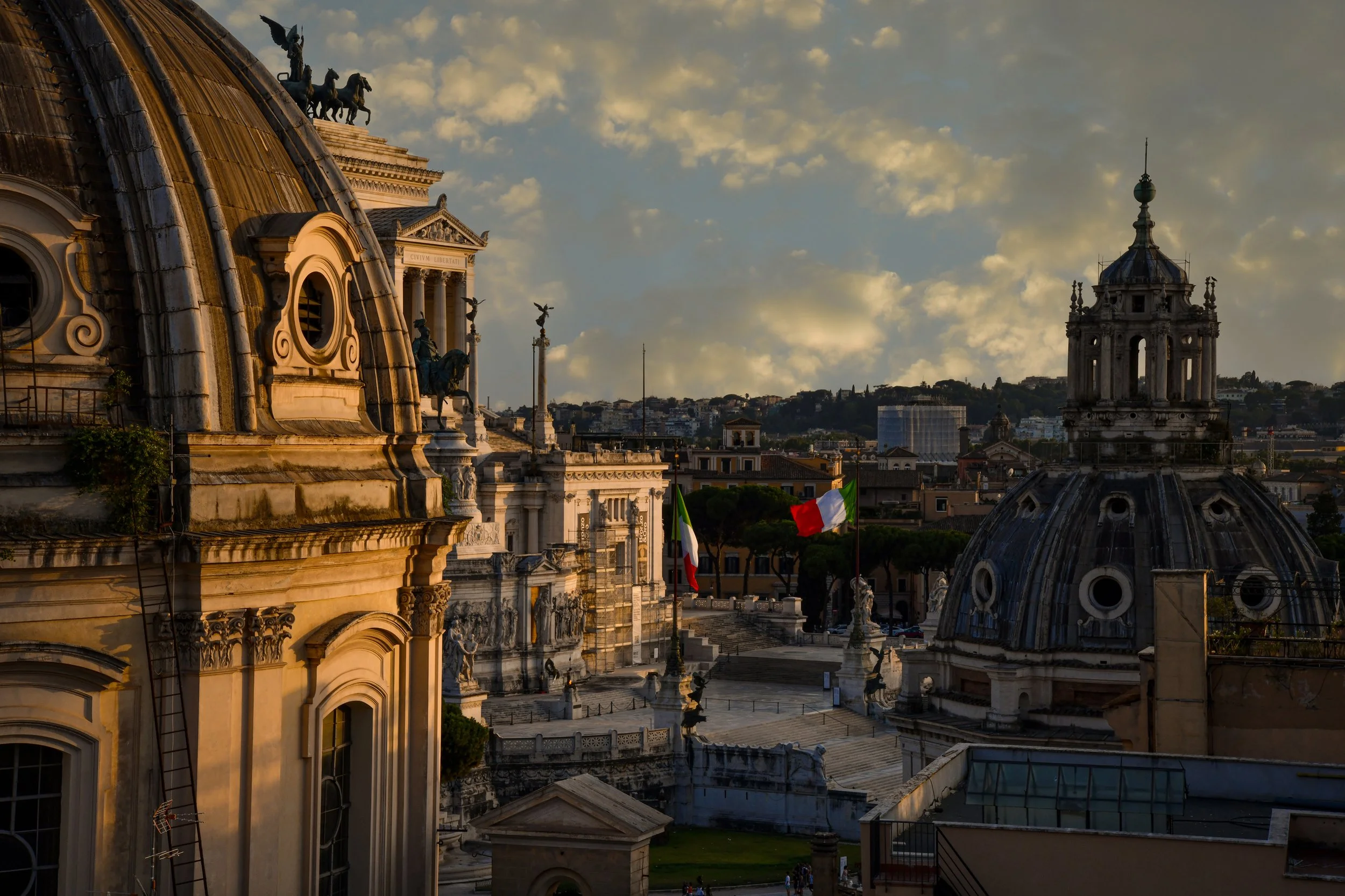
Vista desde Plaza Gala. Roma, Italia 2023
Type: Limited Edition
Medium: Photography > Color
Style: Figurative
Subject:
Year: 2023
Edition: of 10
Size: 24 X 36 paper size\image size 23 x 35 inches(58.4 x 88.9)
Borders .25
Price: 750.0 USD
Ready to hang: No
Frame: No
Signed: Yes, lower right hand corner, in certificate
Materials: Canson
Platine Fiber Rag 310gsm, 100% Cotton, High DMAX, No OBAs, Acid-freeShipping: Ships from Chicago, Illinois USA
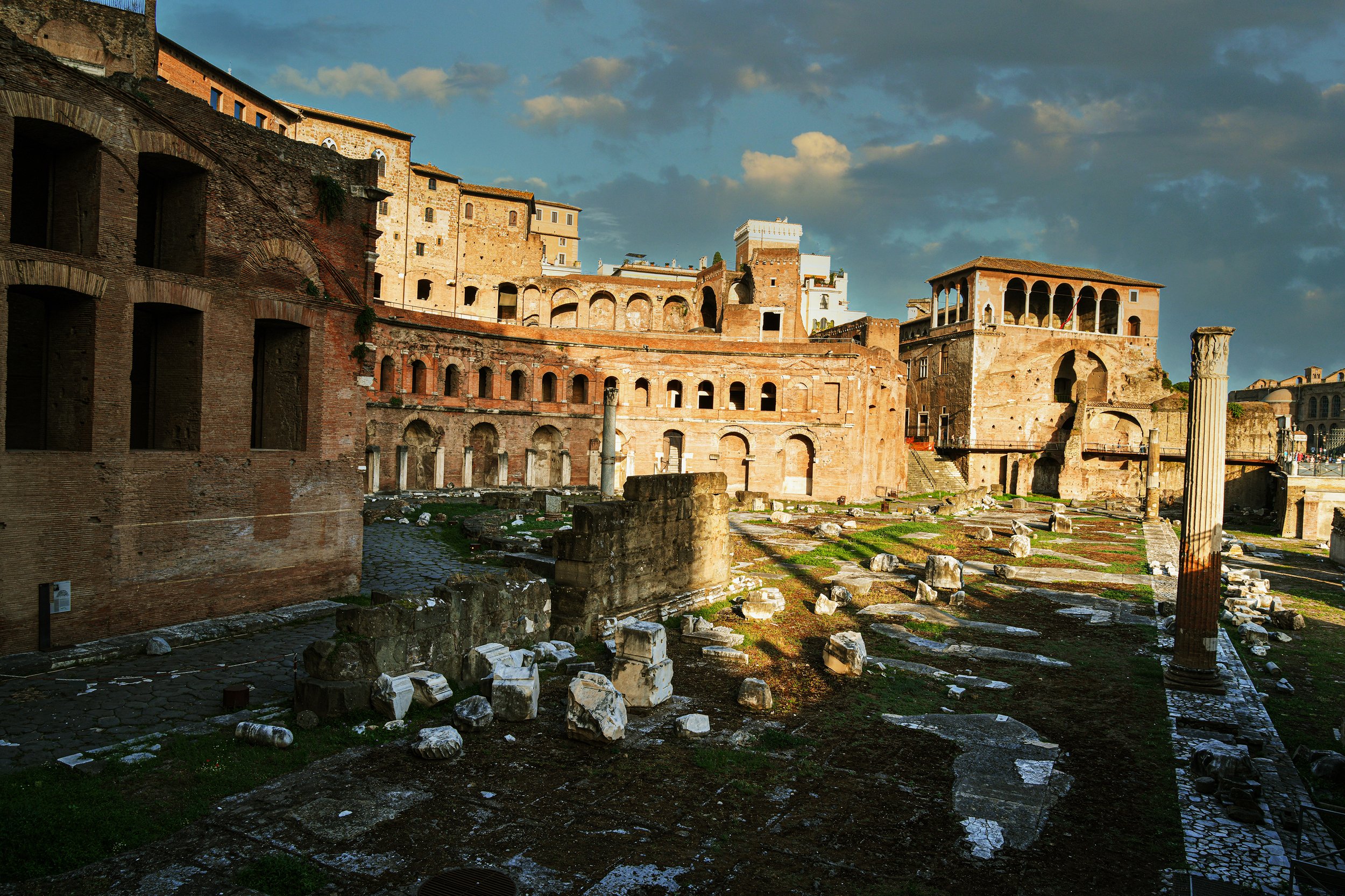
ROMA
A Visual Reading of the Print
This photograph does more than document an archaeological site; it creates the sensation of entering a place where time has accumulated rather than disappeared. The composition is particularly effective because the viewer is not given a single dominant point of interest. Instead, the eye moves through the ruins, following a carefully established visual rhythm of arches, columns, walls, openings, shadows, and illuminated surfaces.
Rhythm
The strongest rhythm comes from the repetition of architectural arches. The horizontal sequence of openings across the central structures establishes a visual cadence—almost like notes in a musical phrase. Smaller arches repeat within larger architectural masses, while the scattered stones in the foreground introduce a contrasting, irregular rhythm.
This contrast between ordered architecture and accidental ruin gives the photograph its character. The ancient structures seem organized and enduring, while the fragments on the ground suggest collapse, transformation, and the passage of centuries.
Light contributes another rhythm. Bright areas alternate with deep shadow, moving the eye from the illuminated walls toward the darker foreground and back into the architecture.
Balance
The composition achieves balance through an asymmetrical arrangement. The massive dark structure on the left carries considerable visual weight, while the illuminated archaeological complex occupies the center and right. Rather than making the photograph feel uneven, this distribution creates tension.
The tall column at the right acts almost like a visual counterweight to the heavy architecture on the left. The open sky above provides additional breathing space, preventing the density of the ruins from overwhelming the image.
The result is a balance between mass and emptiness, darkness and light, structure and openness.
Proportion
The photograph is particularly successful in its sense of scale. The architectural remains are large enough to dominate the human experience, yet the viewer is able to comprehend their dimensions through familiar elements—the arches, pathways, stones, and column.
The repeated architectural units also establish proportion. One arch relates to another; one level of the ruins relates to the next. These relationships allow the viewer to understand the site not merely as a collection of old buildings, but as a constructed human environment.
There is also an important proportional relationship between the foreground and background. The broken stones occupy substantial space in the lower frame, while the surviving architecture rises above them. Visually, this suggests a transition from what has fallen to what remains.
Perspective
Perspective is one of the photograph's strongest qualities. The foreground begins relatively close to the viewer, with stones, paving, and fragments establishing physical proximity. From there, the eye travels inward through the archaeological space toward the layered buildings.
The architectural lines provide natural pathways into the photograph. The walls, pavement, rows of arches, and vertical column create converging and receding directions that give the image depth without relying on an obvious central vanishing point.
The viewer therefore experiences the scene almost as a walk into history rather than as a flat architectural elevation.
The Evocative Experience
What makes this image compelling is its silence.
Imagine standing here near the end of the day. The warmth of the sun remains on the ancient brick, while the shadows begin to lengthen across the stones beneath your feet. There is no glass separating you from the ruins. No reconstruction is required to understand what happened here. The broken columns, fragments, walls, and empty arches already tell the story.
Look toward the illuminated buildings.
Then look down.
The stones at your feet are not simply debris. They are remnants of a world that once depended upon these structures being whole.
For a moment, place yourself inside the photograph.
Walk slowly across the uneven ground. Hear the subtle sound of your footsteps against the ancient paving. Look up at the arches. Notice how the evening light touches the brick differently from one surface to another. Imagine the people who passed through this same space centuries ago—not as historical figures in a textbook, but as ordinary human beings moving through their daily lives.
That is where the photograph becomes more than an image of Rome.
It becomes an invitation to occupy a moment between what was and what remains.
The emotional proposition of the print
The photograph quietly asks:
What would it feel like to stand where centuries have already passed—and know that, for a brief moment, you are part of that history too?
Its strength is not spectacle. It is presence.
The architecture has survived, but not unchanged. The light is temporary. The shadows will move. The fragments will remain. And the viewer stands somewhere between those two conditions: temporary like the light, yet connected to something that has endured.
That tension gives the print its evocative power and makes it particularly suited to a large fine-art presentation, where the viewer can spend time entering rather than simply looking at the image.